A Practical Guide to Using a Sleep Planner Log Book
For individuals seeking to improve their sleep quality and overall wellness, a Sleep Planner Log Book is a structured tool designed to facilitate consistent tracking and analysis of sleep habits. Unlike generic journals, it provides a dedicated framework for recording key metrics related to sleep, such as bedtime, wake time, perceived quality, and influencing factors. This systematic approach transforms subjective experience into tangible data, enabling users to identify patterns and make informed adjustments.
Core Functions and Potential Applications
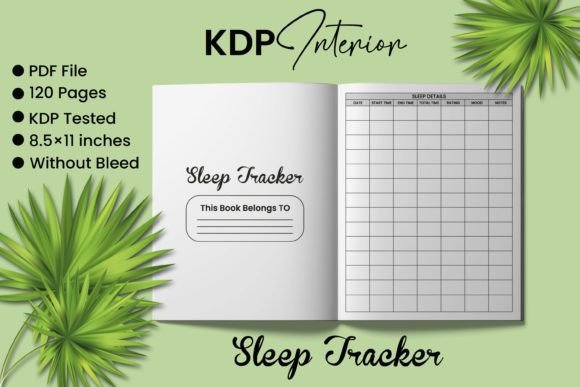
A typical Sleep Planner Log Book serves several primary functions. It acts as a daily record, prompting the user to note down essential details each morning or evening. Common entries include pre-sleep routines, duration of sleep, number of awakenings, and mood upon waking. Many logs also incorporate space for tracking related lifestyle factors like caffeine intake, exercise, and stress levels, which are crucial for holistic sleep analysis.
People might be interested in a Sleep Planner Log Book for a variety of reasons. It is particularly suited for those embarking on a self-directed journey to better sleep, who prefer a hands-on, analytical method over passive advice. Individuals struggling with inconsistent sleep patterns, unexplained fatigue, or who are working with a healthcare professional on sleep issues may find it invaluable for providing concrete evidence of their habits. It also serves anyone wishing to optimize performance, as sleep is foundational to cognitive function and physical health.
Evaluating the Benefits and Trade-offs
The principal benefit of using a Sleep Planner Log Book is the empowerment that comes from data-driven insight. By consistently logging information, vague feelings of "poor sleep" can be pinpointed to specific nights correlated with late meals or high stress, for example. This clarity is the first step toward effective behavioral change. The act of logging itself can also increase mindfulness and accountability around sleep hygiene practices.
However, there are trade-offs to consider. The process requires a degree of commitment and discipline; the utility of the log is directly proportional to the consistency of its use. For some, the nightly or morning task might feel burdensome, potentially adding stress rather than reducing it. Furthermore, a log book provides data, but not diagnosis or professional guidance. It reveals patterns but does not replace medical advice for serious sleep disorders like insomnia or sleep apnea.
Key Considerations Before Starting
When evaluating a Sleep Planner Log Book, consider your personal goals and temperament. If your aim is general awareness and minor habit tweaking, a simpler log might suffice. For more complex analysis, look for a design that includes space for extensive notes and correlating factors. The physical format is also a consideration: a digital PDF log offers convenience and searchability, while a printed log book can create a more deliberate, ritualistic experience.
Expectations should be set realistically. Improvement in sleep is often gradual, and the log may reveal uncomfortable truths about one's habits. The tool is most effective when paired with a willingness to experiment with changes based on the logged data, such as adjusting caffeine cutoff times or experimenting with different wind-down routines.
Situations Where a Sleep Planner Log Book is a Strong Fit
This tool aligns well with specific scenarios. It is a strong fit for individuals who are self-motivated and enjoy structured self-improvement projects. It is highly useful for those participating in cognitive behavioral therapy for insomnia (CBT-I), as many professionals recommend sleep diaries as part of treatment. Athletes, students, or professionals focused on peak performance can use it to rigorously correlate sleep data with daily output and recovery. Finally, it serves anyone seeking to understand the impact of a new lifestyle change, such as a diet, medication, or workout schedule, on their sleep.
When Alternatives Might Be Worth Considering
While a dedicated Sleep Planner Log Book offers depth, alternatives exist for different needs. For those who find manual logging impractical, numerous sleep tracking apps automatically collect data on movement and sometimes heart rate via smartphones or wearable devices. These provide convenience and automated graphs, but may lack the nuance for recording subjective feelings or specific lifestyle notes.
Another alternative is a simpler, more open-ended journal. If sleep is just one aspect of a broader wellness tracking goal, a general wellness journal might be more appropriate. Conversely, if sleep problems are severe and accompanied by other symptoms, the primary consideration should be consulting a sleep specialist, whose assessment and treatment plan would be far more critical than any self-logging tool.
Practical Decision-Making Insights
To determine if a Sleep Planner Log Book aligns with your needs, start by defining your primary objective. Is it to solve a specific problem, like frequent nighttime waking, or to optimize for better daily energy? Next, assess your commitment level. Can you reliably devote a few minutes per day to this practice for at least a month to gather meaningful data? Finally, consider your learning style. Do you benefit from writing things down and reviewing pages of compiled information, or does that process feel tedious to you?
If you decide to proceed, the key to success is integration into your routine. Place the log book or open the PDF file in a consistent location, perhaps beside your bed. Treat the entries as neutral data collection, not a performance scorecard. Periodically, perhaps weekly, review the accumulated entries to look for correlations rather than judging daily entries in isolation.
Aligning the Tool with Your Goals
A Sleep Planner Log Book is not a magical solution, but a methodological one. Its value is unlocked by the user's consistent engagement and analytical follow-through. For the person ready to take an active, investigative role in understanding their sleep, it provides a structured and effective framework. It turns the opaque experience of sleep into a documented pattern, offering a map from which a better route can be planned. For those seeking passive tracking or requiring immediate medical intervention, other paths may be more suitable. Ultimately, the decision hinges on whether this style of participatory, data-centric self-care resonates with your approach to health and personal improvement.