The Goal Planner Log Book: A Physical Tool for Digital Age Achievement
In a world saturated with notifications and digital dashboards, the act of physically writing down a goal can feel almost revolutionary. The Goal Planner Log Book is more than just a notebook; it is a dedicated space for transformation. It represents a conscious return to the tactile process of planning, logging, and reflecting—a method that engages the mind differently than typing on a screen. This article explores the tangible power of such a tool, its design considerations, and how it serves a diverse range of individuals striving for focused progress.
Beyond the To-Do List: Understanding the Log Book’s Purpose
A common misconception is that a goal planner is simply a glorified list maker. The fundamental purpose of a Goal Planner Log Book is to facilitate a continuous cycle of intention, action, and review. It provides a structured, yet flexible, framework to not only declare what you want to achieve but to track the incremental steps that lead there. The physical log becomes a central repository for your ambitions, breaking down lofty objectives into manageable, daily or weekly tasks. This process transforms abstract desires into concrete, observable progress.
The Core Mechanism: From Planning to Logging
The magic lies in the combination of "planner" and "log." The planning section allows you to set SMART goals (Specific, Measurable, Achievable, Relevant, Time-bound), outline resources needed, and anticipate potential obstacles. The logging portion, however, is where the journey unfolds. Here, you record actions taken, time invested, milestones reached, and even the inevitable deviations. This creates a honest record of your effort, providing invaluable data for self-analysis. Seeing your progress—or lack thereof—written in your own hand fosters a unique form of accountability that is personal and direct.
Key Features and Design Characteristics
A well-designed Goal Planner Log Book typically incorporates several key features to support its mission. These are not arbitrary; each serves a psychological or practical function in the goal attainment process.
- Vision & Annual Goal Pages: Space to define your broader vision and set primary annual objectives, setting the directional tone for everything that follows.
- Monthly Planning Sections: Layouts to break annual goals into monthly targets, allowing for seasonal or project-based adjustments.
- Weekly & Daily Log Templates: The engine of the system. These are for recording specific tasks, appointments, habits, and time blocks. Consistent daily logging builds momentum.
- Progress Tracking Charts: Visual elements like bar graphs, checklists, or habit trackers to offer an at-a-glance view of consistency and advancement.
- Reflection & Review Areas: Perhaps the most critical feature. Dedicated space for weekly or monthly reviews to analyze what worked, what didn’t, and what lessons were learned.
- Note Pages for Ideas & Obstacles: Free-form space to brainstorm solutions, jot down inspirations, or vent frustrations, keeping the log holistic.
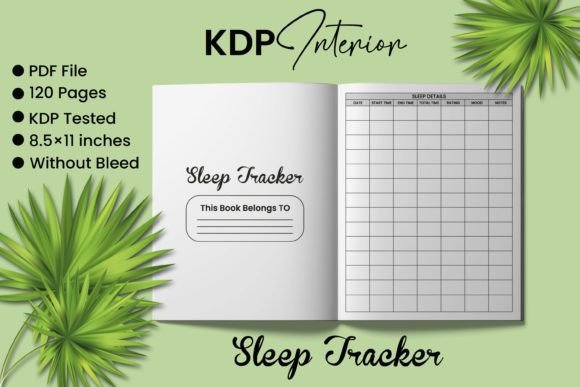
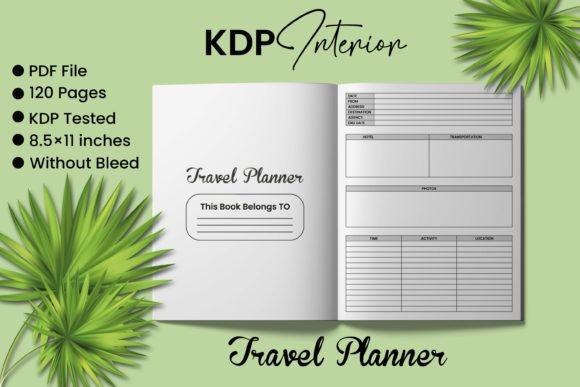
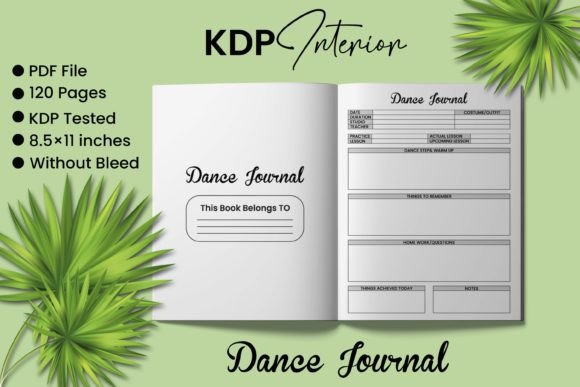
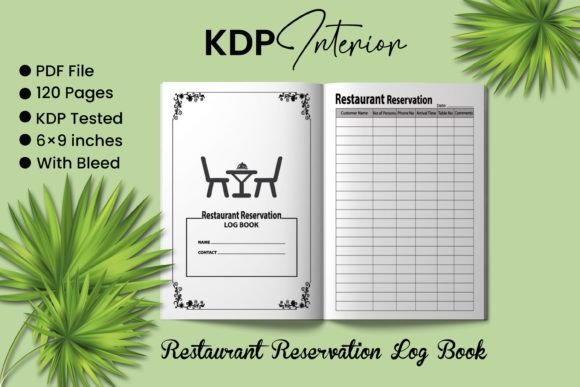
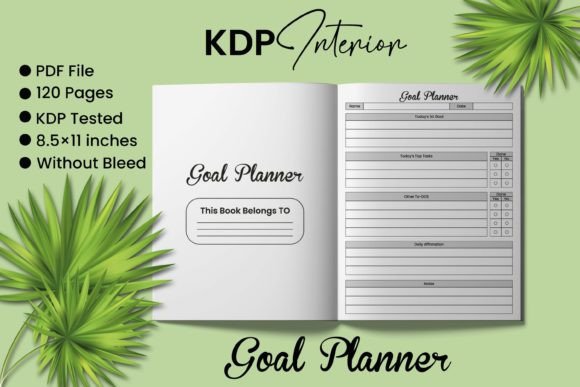
The physical characteristics also matter. A size of 8.5×11 inches offers ample room for detailed entries. A PDF file at 300dpi ensures that if printed or used digitally, the text and lines are sharp and clear. Having the interior formatted without BLEED is crucial for self-publishers or those using print-on-demand services like Amazon KDP, as it ensures the content sits safely within the printable area of the page. The provision of high-resolution interiors and complementary JPG files allows for versatility in use.
Who Benefits from a Goal Planner Log Book?
The applicability of this tool is remarkably broad. It serves anyone with a desire to move from a state of "wanting" to a state of "having."
- Professionals & Business Owners: For managing business growth targets, project milestones, leadership goals, and professional development plans. It turns strategic plans into actionable daily agendas.
- Creators & Artists: Writers, painters, musicians, and makers can use it to track project phases, creative hours, submission deadlines, and skill practice sessions, combating the ambiguity of creative work.
- Students & Lifelong Learners: An excellent tool for managing academic deadlines, research schedules, language learning progress, or mastering a new subject.
- Individuals Pursuing Personal Goals: Whether it’s fitness, financial independence, home organization, or learning a new hobby, the log book provides structure for self-guided improvement.
- Online Users & Digital Content Consumers: Even those deeply embedded in the digital world can benefit from a physical anchor to manage their online projects, content calendars, or digital business goals.
Real-World Scenarios and Practical Applications
Consider a freelance graphic designer aiming to build a client base. In their Goal Planner Log Book, they set an annual goal: "Acquire 5 new long-term clients." Monthly planning focuses on outreach targets and portfolio development. Daily logs track emails sent, networking events attended, and hours spent on promotional work. Progress charts visualize the growing number of inquiries. Monthly reflections analyze which outreach methods yielded responses, adjusting the next month’s tactics accordingly.
Alternatively, a person aiming for a healthier lifestyle might set a goal to "Run a 10k in 6 months." The log book holds their training schedule, daily diet logs, weight tracking, and notes on energy levels. The reflection sections become key for understanding the link between sleep, nutrition, and performance, turning a simple goal into a learned lifestyle change.
Strengths and Considerations
The primary strength of a physical Goal Planner Log Book is the cognitive engagement it demands. Writing slows down thinking, promotes clarity, and enhances commitment. It is also distraction-free, unlike apps that can lure you into other functions. The act of reviewing a filled book provides a tangible sense of accomplishment.
However, it requires a manual commitment. It won’t send you reminders. Its effectiveness hinges on your discipline to consistently open it and write. For some, the lack of cloud sync or automated calculations might be a limitation compared to digital tools. It is best suited for those who value the ritual of planning and find motivation in a handwritten record.
Evaluating Suitability for Your Needs
Choosing to use a Goal Planner Log Book is a decision about your preferred workflow. Ask yourself: Do I respond better to physical, tactile interaction with my plans? Do I need a single, consolidated place for all my goals, away from my computer or phone? Am I looking for a tool that encourages not just planning, but deep, written reflection on my progress?
If your projects are complex, require regular review, and you benefit from visual, off-screen organization, this log book format is likely a powerful fit. It is particularly effective for goals that span months or years, where seeing the long-term narrative of your effort is motivating.
A Ready-to-Use Tool for Immediate Start
For creators, entrepreneurs, or individuals who wish to begin this process immediately, a professionally designed interior template can remove the barrier of creation. A Download exclusive Goal Planner Log Book KDP Interior package that is READY TO UPLOAD to Amazon KDP can be a significant advantage. Such a package, offering a total 120 pages of structured templates, high-resolution files, and an intro page—all compressed into one ZIP file—provides a tested, quality foundation. Having files tested on Amazon KDP ensures technical reliability, allowing you to focus entirely on the content of your goals, rather than the format of your log book. It’s a practical solution that bridges the desire for a structured tool with the need for immediate, actionable implementation.
Ultimately, the Goal Planner Log Book is a testament to the enduring power of writing things down. It organizes not just tasks, but intention and insight. In the pursuit of any meaningful objective, it becomes more than a book; it becomes a companion on the journey, recording not only what you did, but who you became in the process.