Chronic Pain Tracker: Your Personal Health Advocacy Tool
Living with persistent pain can be isolating. It can feel like a complex, internal experience you’re trying to describe with limited language. The Chronic Pain Tracker is designed to bridge that gap. It’s more than a simple journal; it’s a structured, visual tool to help you document, analyze, and communicate the nuances of your pain. At its core, it empowers you to become an active partner in your healthcare, providing concrete data that moves conversations with your doctor from vague descriptions toward targeted strategies.
What Is the Chronic Pain Tracker?
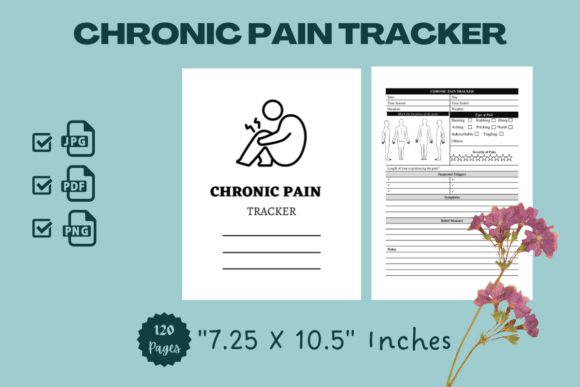
The Chronic Pain Tracker is a specialized Pain Monitoring Journal. Its 120-page format provides a systematic framework for daily or weekly logging. Key features include detailed sections to record the intensity, frequency, and specific type of discomfort—whether it’s a sharp stab, a dull ache, a burning sensation, or a tingling numbness. Crucially, it includes anatomical diagrams: outlines of front, back, and side views of a human figure. You can mark directly on these diagrams to show exactly where the pain manifests. This visual component transforms subjective feeling into objective, shareable information.
The physical dimensions are 7.25″ by 10.5″, making it a practical size for regular use. It is offered as a digital product, giving you immediate access. You receive a 120-page PDF, alongside JPG and PNG files of the journal pages for flexibility. With no bleed, it’s also ready for straightforward printing if you prefer a physical copy. This digital-first approach means you can start using it today, tailoring it to your preferred method—on a tablet, printed and bound, or used on your computer.
Why a Pain Tracker Matters: Different Perspectives
The value of a tool like the Chronic Pain Tracker isn’t universal; it depends deeply on your individual journey, profession, and personal goals. For someone newly diagnosed or beginning to manage chronic pain, it might be a foundational tool for understanding their own condition. For a seasoned patient who has cycled through various treatments, it could be the key to identifying previously overlooked patterns. Its utility extends beyond the individual patient, touching the work of creators, educators, and professionals in wellness fields.
For Patients and Beginners: Clarity and Confidence
If you’re new to chronic pain management, the overwhelm is real. Remembering how you felt two weeks ago during a doctor’s appointment is nearly impossible. The Chronic Pain Tracker simplifies this. Its structured layout guides you, removing the guesswork of what to note down. Using the body diagrams can be particularly enlightening—you might discover pain patterns you hadn’t consciously connected. For a beginner, priorities are ease of use and learning value. This tracker provides a clear starting point, building confidence to “talk more openly with your healthcare provider,” as intended. A practical example: before your next appointment, you can review a month’s entries and highlight a specific week where pain peaked alongside your activity log, giving your doctor a focused timeline to investigate.
For Experienced Patients and Advocates: Deep Analysis and Advocacy
Long-term pain management often requires sophisticated advocacy. You might need to demonstrate the efficacy of a treatment to an insurer or provide detailed history to a new specialist. Here, the Chronic Pain Tracker’s reliability and long-term usefulness shine. The consistent format creates a comparable data set over months or years. An experienced user might prioritize the quality and completeness of the data it captures, using it to correlate pain levels with weather, stress, specific medications, or dietary changes. This depth of information turns personal experience into evidence, empowering you in discussions about your care plan.
For Creators, Educators, and Wellness Professionals
While primarily a patient tool, the Chronic Pain Tracker’s design and concept hold relevance for others. A health blogger or content creator might use the clean, anatomical JPG and PNG files as visual aids in articles or videos explaining pain localization. A physical therapist or health educator could utilize the tracker’s format as a teaching template to help clients understand the importance of self-monitoring. For these audiences, the flexibility and presentation of the digital files are key priorities. They are evaluating it not for personal pain logging, but for its utility as a clear, professional-looking resource that can enhance their own work.
Evaluating the Tracker Against Your Needs
Deciding if the Chronic Pain Tracker is right for you involves aligning its features with your specific goals. Consider your primary intent.
If your need is organization and clearer communication with your doctor, the tracker’s predefined logging sections and body diagrams directly address that. It systematizes what is often chaotic mental data.
If your priority is cost and immediate access, the digital format provides a one-time purchase for a reusable resource. You can print pages as needed, avoiding the ongoing cost of pre-printed physical journals.
If you value flexibility and creativity in your tracking, the inclusion of multiple file types (PDF, JPG, PNG) allows you to adapt. You might use the PDF on a digital note-taking app, annotate the PNGs on a graphic tablet, or create a hybrid paper-digital system.
For long-term projects like managing a multi-year condition or conducting personal health research, the 120-page length and consistent layout support sustained use. It’s designed for continuity.
Practical Scenarios for Different Users
- A Freelancer with Migraines: They use the tracker to log headache intensity and location (marking front/side diagrams) alongside project deadlines. This helps them prove to their client the impact of health on workflow and plan rest periods proactively.
- A Small Business Owner with Back Pain: They track pain levels against hours spent on physical tasks versus desk work. The data helps them make informed decisions about delegating duties or investing in ergonomic equipment, linking health directly to commercial sustainability.
- A Hobbyist Gardener with Arthritis: Using the tracker, they note pain in hand joints (marked on diagrams) after specific gardening activities. This allows them to modify their techniques or tools, preserving their hobby’s enjoyment and their quality of life.
- A Caregiver or Family Member: While not for personal pain, they might use the tracker’s format to help a loved one who struggles with self-reporting, facilitating a more accurate health history for medical visits.
Moving Forward with Your Health Data
The ultimate goal of the Chronic Pain Tracker is improvement. By transforming ephemeral pain into recorded observations, you create a map of your condition. This map enables you and your healthcare provider to identify trends, test the impact of interventions, and “find ways to improve your quality of life.” It shifts the dynamic from reactive to proactive.
Whether you are a patient seeking understanding, a long-term advocate needing detailed records, or a professional looking for effective visual tools, the Chronic Pain Tracker offers a structured path forward. Its design acknowledges that pain is multifaceted and that communicating it effectively is the first step toward managing it. Assessing it against your own needs for ease, depth, flexibility, or presentation will show if it’s the right tool for your journey.