Mastering Your Week: The Power of a Structured Productivity Planner
For creatives, entrepreneurs, and anyone juggling multiple roles, the chaos of a weekly schedule can be overwhelming. Ideas scatter, tasks pile up, and important goals get lost in the daily shuffle. This is where a dedicated tool, like a well-designed Weekly Productivity Planner, steps in. It’s more than just a notebook; it’s a structured canvas for your intentions, transforming a blank week into a mapped-out journey toward accomplishment.
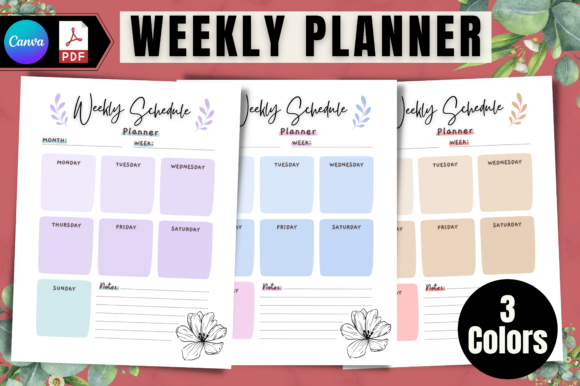
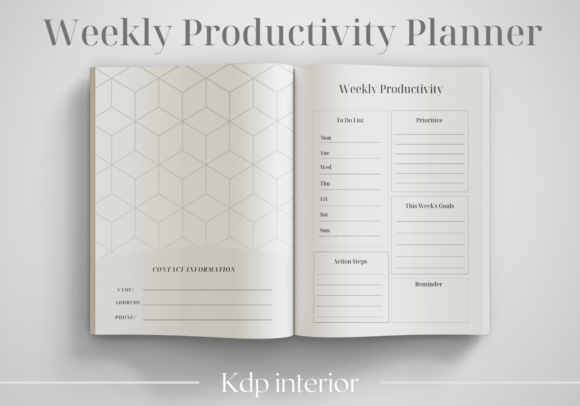
The visual characteristics of a quality planner are crucial. A clean, spacious layout with clear sections for goals, daily tasks, priorities, and notes invites engagement. The personality should be functional yet inspiring—not overly decorative, but not sterile either. It needs to feel like a professional tool that you’re excited to open each Monday. The style is often minimalist, focusing on usability with thoughtful typography and generous writing space. Its overall appeal lies in its promise: the simple act of writing down your plan significantly increases the likelihood of you following it.
Where a Weekly Planner Becomes Your Essential Toolkit
This isn’t just for corporate managers. The application spectrum is vast. For designers and content creators, it can segment time between client work, personal projects, and skill development. Marketers might block out periods for campaign strategy, content batches, and analytics review. Bloggers and publishers can track editorial calendars, publication deadlines, and promotional activities across each day.
Small business owners find it indispensable for balancing operations, marketing, finance, and customer service in one visible framework. Even for crafters and hobbyists, a planner helps dedicate time to passion projects amidst a busy life, ensuring that creative pursuits aren’t perpetually relegated to “when I have time.” The common thread is the need to visualize time allocation, making the abstract concrete.
The Design Logic Behind Productivity: How Structure Influences Output
How does a simple grid of boxes influence your week? It creates immediate visual hierarchy. The major weekly goal sits prominently, anchoring everything below. Daily sections break the monolithic week into manageable, focused units. This structure directly impacts your perception of your own time and brand—your personal brand of productivity. It fosters consistency, moving you from reactive chaos to proactive rhythm.
The professionalism it introduces is internal. It’s the commitment to treating your own goals with the same seriousness you’d apply to a client project. This consistency builds recognition of your own patterns—where you thrive, where you stall—leading to better self-management and ultimately, deeper audience or customer engagement because you are more organized and reliable.
Choosing and Integrating Your Planner into Your Workflow
When evaluating a Weekly Productivity Planner, like a tested digital product ready for print, consider its fit with your actual workflow. Does it have space for the categories you need? Is the layout intuitive or cluttered? Testing it is key. Print a sample week and use it. Does the physical act of writing in it feel good? Are the margins and line spacing comfortable?
Think about pairings too—not of fonts, but of tools. This planner might be your central command, but how does it pair with your digital calendar, your project management app, or your quick note-taking system? They should complement, not duplicate. Review the included pages. Beyond the core weekly spreads, valuable additions might include monthly overviews, goal-setting pages, or blank note sections for brainstorming.
Readability and Practical Use: Beyond the First Page
The most beautiful planner fails if it’s not usable. Readability here refers to the ease of scanning your own plans. Can you quickly see what’s critical for Wednesday at 10 AM? Clear labeling, ample white space, and a logical flow from weekly to daily are essential. Consider your own habits: do you prefer bullet points, checkboxes, or freeform paragraphs? The template should accommodate your natural style.
For commercial users, like entrepreneurs using this for business planning, the licensing is straightforward with a personal-use digital product. You print it, you use it—for yourself, for your team. It becomes a cost-effective, customizable internal tool. The practicality lies in its simplicity. You download the PDF, print it on your own quality paper, and bind it as you like. This immediacy bypasses shipping waits and high retail costs.
Real-World Applications: From Creative Studio to Home Office
Imagine a freelance graphic designer. Their Weekly Productivity Planner might have a weekly goal: “Finalize client brand identity package.” The days break down into: Monday – refine logo concepts; Tuesday – develop color palette and typography guide; Wednesday – create presentation mockups; Thursday – client review and revisions; Friday – prepare final files and invoice. Each day has specific, actionable tasks under those headings.
A small online retailer might use it differently. The weekly goal: “Launch summer product collection.” Daily tasks span inventory checking, photoshoot scheduling, website updates, email campaign drafting, and social media teaser posts. Seeing this horizontally across a week prevents last-minute panic and ensures all moving parts align.
The recommendation is always to start simple. Use the first week to observe. Don’t over-fill every box. Notice where the structure helps and where it feels restrictive. Adapt your use accordingly. The planner is a tool for you, not a rulebook. Its greatest value is revealed over time, as completed weeks stack up, providing a tangible record of progress and a refined blueprint for how you work best.
A thoughtfully designed Weekly Productivity Planner is a quiet investment in your own effectiveness. It moves planning from a fleeting mental exercise to a committed physical one. For anyone building a business, nurturing a creative practice, or simply seeking order in a demanding life, it provides the framework. The empty boxes each Monday aren’t a void; they’re an invitation to build your week, and by extension, your results, intentionally.