Optimizing Dress Order Management with a Professional Log Book
For designers, tailors, and small boutique owners, the administrative side of the business can often become overwhelming. Tracking measurements, fabric choices, deadlines, payments, and client communications for multiple orders requires a system. A Dress Order Log Book serves as this system, providing a structured, physical record to streamline the entire workflow from initial consultation to final delivery.
Core Purpose and Practical Mechanics
The fundamental value of a dedicated Dress Order Log Book lies in consolidation. Instead of relying on scattered notes, digital files that may not be accessed during client fittings, or multiple generic notebooks, this tool centralizes all order-specific information. Typically, it functions as a sequential ledger where each new client order is recorded on a dedicated page or section.
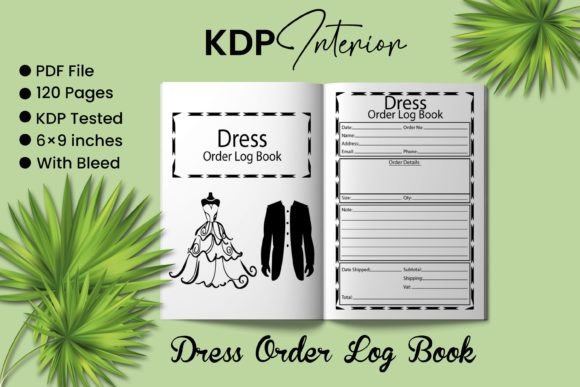
Key fields often include client name and contact details, order date, promised completion date, detailed measurements, selected fabrics and colors, sketch or photo references, agreed price, payment schedule, and status updates. This transforms a creative process into a manageable project, with every critical datum anchored in one place.
Evaluating Key Characteristics and Strengths
A well-designed log book goes beyond providing blank lines. Its strengths are found in its structure and professional presentation.
Consistency and Reliability
Using a standardized log ensures that no critical step is forgotten across different orders or during busy periods. The act of filling in predefined fields prompts the user to collect all necessary information upfront, reducing the risk of errors or omissions that can lead to client dissatisfaction. This consistency directly enhances operational reliability.
Enhanced Client Communication and Professionalism
A physical log book can also improve the client experience. During consultations, referring to a professional binder, rather than a loose pad, projects competence and organization. It allows for clear, real-time note-taking that the client can see, ensuring mutual understanding of the specifications. This tangible record can later serve as a reference point for any discussions about the order’s progress.
Long-Term Value as a Business Record
Beyond managing active orders, a completed Dress Order Log Book becomes a valuable historical archive. It allows for reviewing past designs, measuring trends in fabric choices, analyzing pricing histories, and even settling any future disputes with clear, contemporaneous notes. This long-term utility makes it more than a temporary tool; it becomes a growing asset for the business.
Audience Fit and Beneficial Scenarios
The utility of a Dress Order Log Book is not universal, but it is highly specific and powerful for its target audience.
- Independent Dressmakers and Tailors: Professionals running a solo operation benefit immensely. The log book acts as a second brain, offloading administrative memory and freeing mental space for the creative work.
- Small Boutique and Atelier Owners: Those managing a small team can use the log as a central reference point, ensuring all staff have access to the same order details, reducing miscommunication.
- Costume Designers for Theater or Film: Managing multiple, complex costumes for different actors requires meticulous tracking. A dedicated log is ideal for this high-volume, high-detail scenario.
- Serious Hobbyists Taking Commissions: Even hobbyists who accept occasional commissions will find it elevates their practice, helping them treat their craft with business-like rigor.
It is less suited for large-scale manufacturers with fully integrated digital ERP systems or for individuals who only create garments for personal use without client interactions.
Quality and Usability Considerations for KDP Interior
When sourcing a log book, especially via platforms like Amazon KDP (Kindle Direct Publishing), evaluating the interior design's quality is crucial for real-world use. The provided specifications for this particular Dress Order Log Book KDP Interior suggest a focus on practical usability.
The 6x9 inches dimension is a portable yet spacious format, fitting easily on a worktable or in a binder. A PDF file at 300dpi and high-resolution interiors ensure that if pages are printed, lines, text, and any graphical elements are sharp and clear, preventing a blurred or amateurish look. The inclusion of bleed is a technical point important for professional printing; it means the design extends to the edge of the page, so no unwanted white borders appear after physical trimming.
The 120-page count offers substantial capacity. For a user taking, say, 20-30 detailed orders per year, this single volume could serve for multiple years, adding to its value. The fact that it is compiled as a ZIP file and is ready to upload speaks to its convenience for the publisher or printer, minimizing technical hurdles.
Potential Limitations to Anticipate
While the structural benefits are clear, a pre-formatted log book also imposes its own framework. Users with highly non-standard processes—perhaps those incorporating unique design stages or unconventional billing methods—might find some fields irrelevant. The physical nature of the book means data isn’t automatically searchable or backed up digitally unless the user institutes a separate scanning routine. For some, a hybrid system, using the log book for client-facing sessions and then transferring key data to a digital spreadsheet for analysis, might be the optimal workflow.
Integration into a Professional Workflow
Implementing a Dress Order Log Book effectively requires a slight shift in habit. The most practical method is to make it the first point of contact for any new order. During the initial client meeting, open the log book to a new page and fill it out collaboratively. Subsequently, any progress notes, fabric swatch attachments, or payment records should be added immediately to that order’s section.
This discipline turns the book into a living document. Its effectiveness is directly proportional to the consistency of its use. For a busy professional, placing it in a fixed, accessible location in the workshop is a simple but critical step to ensure it becomes habit, not an afterthought.
For those considering the KDP interior download, the instant access to a tested, print-ready format eliminates the time and cost of designing such a tool from scratch. It provides a robust, professional foundation that can be put into service immediately, which is a significant advantage for a small business owner whose time is best spent on design and construction, not on creating administrative templates.
In summary, a Dress Order Log Book is a specialized tool that addresses a clear need in niche creative businesses. Its value is pragmatic, centered on organization, client management, and historical record-keeping. For the right user—a professional or serious hobbyist managing custom garment orders—integrating such a log can reduce administrative stress, enhance client trust, and create a more resilient and systematic practice. The availability of high-quality, ready-to-use interiors further lowers the barrier to adopting this simple but effective system.