The Baseball Score Sheet as a Strategic Planning Template
At first glance, a Baseball Score Sheet is simply a method for tracking the intricate details of a game. It records every pitch, every hit, and every defensive play in a structured grid. Yet, its core utility—systematically logging actions and their outcomes to provide a complete, accountable picture of performance—transcends the diamond. For professionals, entrepreneurs, and creators, a Baseball Score Sheet offers a powerful analog framework for strategic planning, project management, and outcome analysis.
Beyond the Game: The Anatomy of Strategic Recording
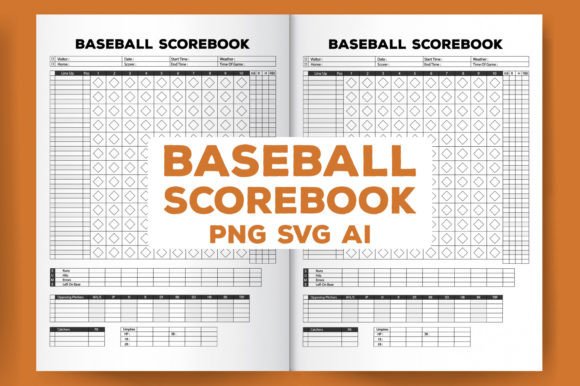
A printable score sheet baseball is not a passive log. It is an active document built on intentional columns and rows. Each inning represents a sequential phase. Each player’s row tracks individual contribution within the collective effort. Every cell demands a specific notation for an action—a strike, a single, an error. This enforced structure creates a disciplined record where nothing is assumed or forgotten; everything is accounted for. Translating this to a business or creative context, it becomes a template for moving beyond vague progress reports to a concrete, inning-by-inning account of your project’s execution.
The Core Principles of the Score Sheet Method
Adopting the Baseball Score Sheet mindset involves embracing three key operational principles. First is sequential phase tracking. Breaking your initiative into “innings” (e.g., research, development, launch, review) forces a rhythm and allows for natural checkpoints. Second is individual accountability within team flow. Just as each batter has a row, each team member or resource has a defined track for their contributions, visible within the overall sequence. Third is symbolic clarity. The score sheet uses simple, unambiguous symbols (K for strikeout, HR for home run). Your strategic score sheet needs its own clear lexicon for marking successes, delays, or pivots.
Strategic Applications: From Planning to Performance Review
The printable nature of a baseball score sheet underscores its utility as a tactile planning tool. Its grid is a canvas for mapping campaigns, product developments, or even learning objectives.
For Project Management and Operations
Imagine using a modified Baseball Score Sheet to manage a product launch. Row one tracks marketing activities. Row two tracks development milestones. Row three tracks logistics. Each column is a week or a key phase. Filling in the cells with your predefined symbols provides an at-a-glance view of parallel efforts and their interdependencies. A filled cell for “content published” (a single) in the marketing row might be dependent on an empty cell for “final specs approved” (a strikeout) in the development row, instantly highlighting a bottleneck. This visual, linear format often reveals workflow inefficiencies that traditional list-based project plans obscure.
For Creative Processes and Brand Development
Creativity thrives on both freedom and structure. A Baseball Score Sheet can document a creative campaign’s evolution. “Innings” could be: Concept, Drafting, Revision, Final Art, Distribution. Tracking different ideas or asset types across these phases helps manage creative throughput and ensures nothing is lost between stages. For branding, it can log touchpoints across a customer journey, marking each interaction’s outcome (positive engagement, neutral, negative feedback) to assess the cumulative experience being built.
Approaching Your Score Sheet with Intentionality
To use this method effectively, you must start with clear goals. A Baseball Score Sheet without a defined “game” to record is merely an empty grid. Begin by asking: What is the primary outcome I want to track? Who are the “players” (team members, departments, key activities)? What are the natural “innings” or phases? Define your notation system before you begin. Decide what symbols or short codes will represent a completed task, a delayed action, a superior result, or a failed attempt.
Practical Tip: Use a simple printable score sheet baseball as your literal starting template. Print it out and physically annotate it, translating the baseball elements to your project. This tactile exercise forces clarity. Label the innings with your phases. Write your key resources or focus areas in the player rows. This low-fi start prevents over-complication and keeps the focus on the framework’s logic.
When to Deploy the Score Sheet Framework
This approach is particularly valuable for initiatives with multiple moving parts, sequential dependencies, and a need for transparent accountability. It is excellent for:
- Short-term campaigns with clear deadlines (a marketing blitz, a conference planning).
- Iterative processes (software development cycles, monthly content production).
- Learning a new skill or system (tracking practice sessions, mastery of sub-skills).
- Operational reviews (analyzing a week of customer service interactions or sales calls).
It is less suited for highly abstract, long-range strategic visioning or for tracking purely emotional or qualitative journeys without measurable actions.
The Risks of Uncontextualized Use
Like any tool, a Baseball Score Sheet can be misapplied. The primary risk is creating bureaucracy without insight. Filling every cell with data becomes an empty exercise if the notations aren't tied to meaningful outcomes. Another pitfall is over-simplification. Complex projects may have nonlinear paths; forcing them into a strictly linear inning format can mask important feedback loops or parallel processes. Finally, there is the risk of focusing only on the record, not the game. The score sheet is a diagnostic and planning aid, not the objective itself. Spending more time perfecting the sheet than executing the plan is a sure loss.
Making It a Tool for Decision-Making
The true power emerges in review. A completed Baseball Score Sheet for a project provides a visual history. Patterns become obvious: a certain “player” consistently hits “singles” in the third inning; a particular phase always has more “errors.” This allows for root-cause analysis and informed decisions about resource allocation, phase redesign, or skill development. It turns anecdotal recall into structured data for post-mortems and future planning.
Long-Term Value: Building a History of Performance
Consistently using a Baseball Score Sheet method across multiple projects builds a comparative archive. You can stack completed sheets for different campaigns or quarters and look for cross-project patterns. This longitudinal view can inform strategic positioning, revealing your team’s consistent strengths (perhaps you excel in “late-inning” pivots) or chronic weaknesses (maybe “early inning” planning is always messy). This transforms the tool from a tactical tracker into a strategic asset for organizational learning.
The printable score sheet baseball, therefore, is more than a relic of sport. It is a prototype for disciplined, visual, and accountable tracking. By adopting its structured mindset—defining your players, your innings, and your notation—you introduce a level of operational clarity that supports better planning, more transparent communication, and ultimately, more informed decisions that drive real results. The goal is not to perfectly record every pitch, but to understand the game you’re playing so you can win it.