The Ultimate Puzzle Book Creation Resource: 100 Number Fill in Puzzles for KDP
Creating a successful puzzle book for Amazon's Kindle Direct Publishing (KDP) platform requires more than just great ideas. It demands ready-to-use content, professional formatting, and a clear path to a unique final product. For aspiring puzzle book publishers, a resource like "100 Number Fill in Puzzles for KDP" offers a powerful starting point, providing the core puzzles while leaving room for your creative brand to shine.
What You Get: A Complete Puzzle Core
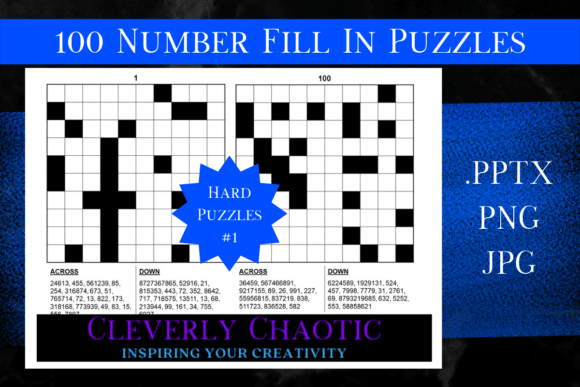
This collection is built around a specific, popular puzzle type: hard-level number fill-ins on a 10x10 grid. The package delivers exactly 100 of these puzzles alongside their solutions. This consistency is a major advantage. When a customer buys your book, they know they're getting a substantial, focused volume of challenging logic puzzles, which builds trust and satisfaction. A book with 100 puzzles provides hours of engagement, making it a compelling product for puzzle enthusiasts.
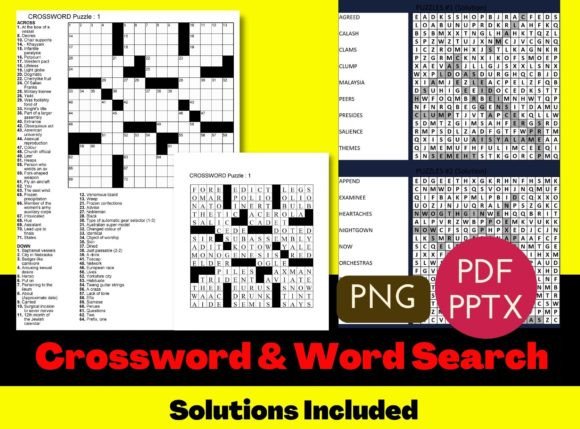
The included file formats—PNG, JPG, and PPTX—are deliberately chosen to support different creation workflows. The PNG and JPG images are perfect for directly placing into page layout software or for quick digital use. The PowerPoint (.PPTX) file is a particularly valuable inclusion. It allows for easy arrangement, sequencing, and basic page setup before you transfer the puzzles into a more advanced design tool, streamlining the initial assembly process.
The KDP Puzzle Book Market: An Opportunity for Creators
The self-publishing world on KDP has opened doors for niche content creators, and puzzle books are a consistently popular category. They cater to a dedicated audience looking for portable, affordable, and mentally stimulating entertainment. A resource like 100 Number Fill in Puzzles for KDP taps directly into this demand by removing the most time-intensive part: the puzzle generation itself.
Designing 100 unique, hard, and logically sound number fill-in puzzles is a monumental task. This package handles that, letting you focus on what makes your book stand out—the presentation, the branding, and the overall user experience. This separation of content and design is key to efficient publishing.
From Generic Resource to Original Book
The explicit instruction to "add your own decorations to each page" is the crucial step in this journey. It transforms a useful resource into a framework for originality. Decorations aren't just about aesthetics; they're about branding. This could mean:
- A unique cover design and consistent page header with your logo or series name.
- Themed illustrations or borders that match a seasonal or niche topic (e.g., coffee-themed puzzles, travel-themed puzzles).
- Custom fonts, color schemes, and page layout that create a professional, cohesive look.
- Adding introductory pages, puzzle-solving tips, or progress trackers to enhance the reader's experience.
By investing time in this decoration and layout phase, you ensure your book isn't just another generic puzzle collection. It becomes a distinct product with its own identity in the KDP marketplace.
Practical Benefits for the Publisher
Utilizing a pre-made puzzle pack like this offers several tangible benefits for your KDP project.
- Speed to Market: The core content is ready. You bypass months of puzzle creation and testing, allowing you to concentrate on design and publishing.
- Quality Assurance: The puzzles are presumably already checked for accuracy and difficulty consistency ("all puzzles are hard"), providing a reliable base you don't have to verify.
- Format Flexibility: With multiple file types, you can work in the software you're comfortable with, whether it's Adobe InDesign, Canva, or even leveraging PowerPoint for initial layout.
- Scalability: Having 100 puzzles gives you options. You can create one large volume, split them into two 50-puzzle books, or even use them across a series.
Considerations Before You Begin
While the resource is powerful, successful use depends on a few key actions on your part. First, you must ensure your final book meets KDP's quality and formatting standards for interior files. The provided images are a start, but your decorated pages must be assembled into a properly sized, high-resolution PDF. Secondly, think about your target audience. "Hard" puzzles appeal to experienced solvers. Your cover, title, and description should clearly communicate this difficulty level to attract the right customers and avoid negative reviews from beginners expecting easier content.
Finally, remember that originality is your responsibility. The feedback and suggestions mentioned in the resource description highlight a collaborative spirit. Perhaps this refers to ideas on how to decorate, themes to explore, or marketing angles. Engaging with the provider or other puzzle book creators can spark ideas that turn this solid core into a standout book.
Integrating into a Modern Creator Workflow
For today's indie publisher, efficiency is everything. A package of 100 Number Fill in Puzzles for KDP fits neatly into a modern content creation pipeline. You can conceive it as the "content acquisition" stage. Next comes the "design and branding" stage using your preferred graphic software. Finally, you enter the "publishing and marketing" stage on KDP. This modular approach prevents burnout and allows you to specialize or outsource different phases.
It also empowers non-puzzle-designers to enter the market. If you have strengths in graphic design, marketing, or community building but aren't a logician, this resource lets you leverage your skills by providing the technical content you lack. It's a perfect example of how digital resources enable collaboration and specialization within the self-publishing ecosystem.
A Scenario: Building Your First Puzzle Book
Imagine you purchase this collection. Your first step might be to open the .PPTX file to see all 100 puzzles laid out. You then decide on a theme—perhaps "Mindful Challenges" with a minimalist, calming design. Using the PNG files, you import them into your design tool, adding a serene border, a page number, and a subtle logo on each page. You arrange puzzles and solutions in a clear order, add a stylish cover, and write a compelling book description highlighting the 10x10 hard puzzles. Within a focused period of design work, you have a complete, original product ready for upload. The puzzles were the foundation, but your creative vision built the house.
In the competitive but accessible world of KDP, resources that provide quality foundations while demanding creative input are invaluable. They balance assistance with opportunity. 100 Number Fill in Puzzles for KDP is precisely that: a toolkit for creators. It offers the arduous task of puzzle generation as a solved problem, handing you the reins to design, brand, and publish a puzzle book that is authentically yours. Happy puzzling—and more importantly, happy publishing.